
The Concept of Luck in Gambling
Luck is often viewed as the unpredictable element that determines outcomes in various casino games, from the roll of dice to the spin of a wheel. In this context, luck represents the chance factor that can lead to unforeseen results, making it a vital component of gambling. Players frequently attribute their wins to good fortune, suggesting that despite strategies and skills, the randomness of luck can enhance the thrill of payid pokies australia and plays a pivotal role in the overall experience of gambling.
In mathematical terms, luck can be challenged and analyzed through probability. Each game has its own set of odds that define the likelihood of winning or losing. For instance, in games like poker and blackjack, players might rely on skill and strategy, but luck influences the cards they receive. This duality leads to fascinating discussions on whether luck can be measured, especially in games that combine elements of skill and chance.
Moreover, the psychological aspect of luck cannot be ignored. Gamblers often develop beliefs and behaviors centered around luck—such as superstition or rituals—to influence their outcomes. These psychological determinants can reinforce the idea that luck is a tangible force, further entrenching its significance in the gambling narrative. Ultimately, while there are quantifiable aspects to luck, its true essence remains elusive and subjective.
The Role of Chance in Casino Games
Chance is the foundational principle behind the design and operation of casino games. Each game is structured to incorporate randomness, ensuring that no player can predict the outcome with certainty. This unpredictability is what draws players to games such as slots, where the results are entirely left to chance, making every spin an adventure in luck. The randomness level varies across games, providing different experiences for players based on their tolerance for risk.
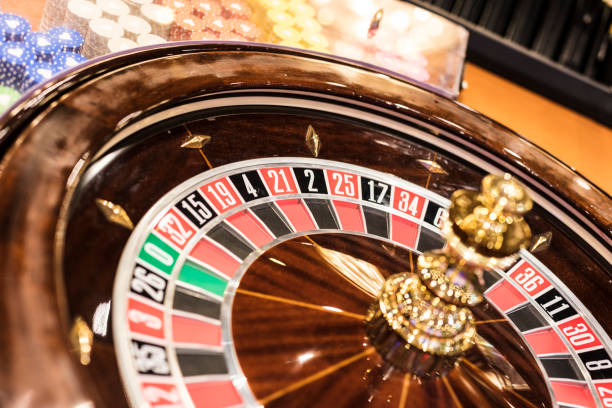
Craps and roulette exemplify games where chance plays a dominant role. The outcome hinges on random events: the roll of the dice in craps or the flick of the wheel in roulette. Each spin or roll is independent and unaffected by previous outcomes, a characteristic that highlights the randomness inherent in these games. As a result, players must embrace the uncertainty and allow chance to dictate their fortunes, reinforcing the idea that luck is a crucial player in these experiences.
While chance is vital, it is often complemented by strategic elements in games such as blackjack and poker. Success in these games isn’t solely dependent on chance; players can influence outcomes to a degree through calculated decisions and tactics. However, even the most skilled players acknowledge the role of luck in the cards dealt or the decisions made by opponents. This dual nature of chance and skill creates a compelling dynamic, inviting deeper exploration into the concept of quantifying luck.
The Mathematics of Odds and Probabilities
To understand if luck can be quantified, one must delve into the mathematics of odds and probabilities, essential components of casino games. Every game is designed with specific odds, determining the likelihood of winning for each possible outcome. For instance, in a fair six-sided die game, each number has an equal probability of one in six. These odds can be calculated and analyzed, providing a framework to evaluate the concept of luck in a numerical context.
However, while probabilities can offer insight, they don’t account for the unpredictable nature of luck. A player may know that the odds of winning a bet are low, yet they might still win due to a fortunate series of events. This randomness, which cannot be quantified through standard mathematical principles, highlights the complex relationship between luck and calculated risks. It raises intriguing questions about how players perceive luck in relation to the statistical odds presented to them.
Further complicating the notion of quantifying luck is the psychological influence of perceived odds versus actual probabilities. Players often engage in cognitive biases, leading them to believe they can “outsmart” the odds through luck or skill. This psychological aspect can skew their understanding of the underlying mathematics, demonstrating that luck, while it may have quantifiable elements, remains a subjective experience for each gambler navigating the unpredictable terrain of casino games.
The Impact of Luck on Player Behavior
Luck plays a significant role in shaping player behavior in the casino environment. Many gamblers approach games with the mindset that their fortune can change with a single play, motivated by both the thrill of winning and the fear of losing. This belief can lead to highly emotional responses during gameplay, influencing decisions that may deviate from rational strategies. Understanding how luck affects behavior reveals a deeper psychological layer to gambling beyond mere numbers and probabilities.

Players often exhibit specific behaviors based on their recent experiences of luck. After a series of wins, they may become more aggressive in their betting, fueled by a sense of invincibility. Conversely, after experiencing losses, they might chase their bets in an attempt to reclaim their previous fortune. This phenomenon illustrates how luck can manipulate emotional states, impacting players’ decisions and creating a volatile atmosphere where rationality often takes a backseat to instinct and desire.
The social dynamics in casinos are also influenced by the perceived luck of individuals. Players often feed off each other’s energy, sharing in wins and losses in communal settings, which can enhance the feeling of luck being present. The camaraderie experienced during games like craps, where everyone cheers for a winning roll, further solidifies the communal belief in luck. This collective experience creates a unique environment where luck is not only personal but shared among players, shaping their experiences and behaviors in significant ways.
Exploring the Role of Online Gambling Platforms
The rise of online gambling platforms has transformed the landscape of casino games, introducing new dimensions to the role of luck and chance. These platforms often use random number generators (RNGs) to ensure that game outcomes are fair and unpredictable, much like traditional casinos. However, the digital nature of these games can obscure the perception of luck. Players cannot physically interact with the game environment, making the element of chance feel more abstract.
In online settings, the concept of luck is presented through graphics and algorithms that create an illusion of randomness. This detachment from physical interactions can lead to a different psychological experience compared to land-based casinos. While the odds remain the same, the perception of luck may shift, as players engage with interfaces rather than tangible objects. This distinction raises interesting questions about how effectively luck can be quantified in an online context versus a traditional casino.
Additionally, the data-driven nature of online gambling allows for sophisticated analytics to be employed, providing operators with insights into player behaviors related to luck. By analyzing how players respond to various outcomes, online platforms can tailor experiences to enhance engagement and potentially increase revenues. This interplay between technology, luck, and user experience forms a complex web that enhances our understanding of chance in gambling, suggesting that luck, while often viewed as intangible, may have quantifiable influences in the digital realm.